


Diversification of Literature and Artistry
- Nov 12, 2020
- 5 min read
Updated: Nov 26, 2020
We need to be better educators for our student, through the examples we pick. How lack of diversity in English and Visual Art curriculum can effect student's and some refreshing choices to use in the classroom.
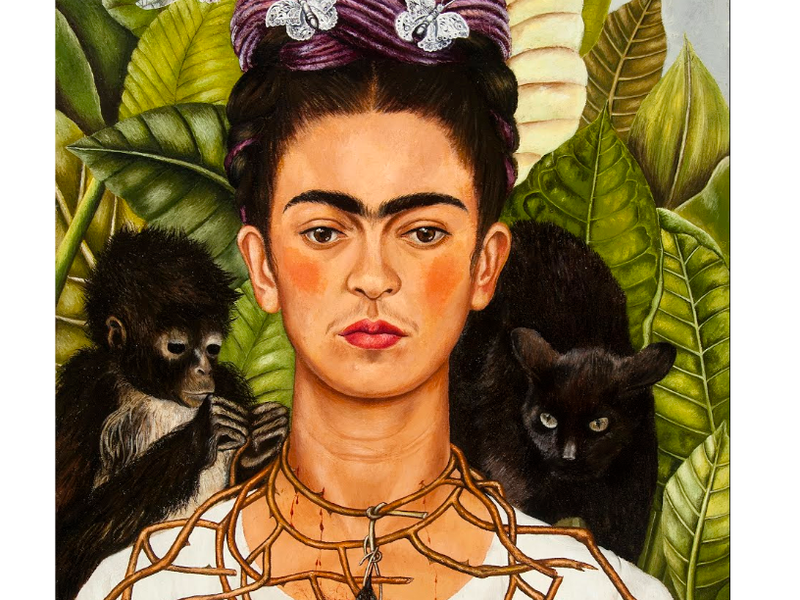
Self-Portrait with Thorn Necklace and Hummingbird, Frida Khalo, oil, 1940
“As you become more present in your own life, you will begin to enlighten others by your example.”―Germany Kent
"Lead by example." We hear that quote in education all the time, not to mention every single leadership position ever created. This famous quote reminds us that as a leader we must acknowledge can consider the attributes we bring into our lives and consider if they are worthy attributes whereby others would follow. As a teacher, we know those 30+ sets of eyes are always watching to see how we react and interact, weighing us as credible and reliable or not. Well, have we considered how the examples we use in class can lead students to think, unconsciously or consciously, how we interpret what are good examples of the masters in visual arts and English.
The conversation about diversifying classroom literature isn't a new topic. Over 55 years ago, author Nancy Larrick's article "The All-White World of Children's Books" highlighted the systemic issues that come from students being underrepresented in literature because the majority of characters in classroom literature are white. Even more disheartening, popular educational resource website Edutopia published a 2019 article address the importance of diverse literature mentioning schools need to address this concern. Thankfully in this article, we see more initiatives, including major publishing companies like Scholastics showcasing international authors for educators.
Furthermore, visual arts have been dominated by predominately white and male artists and theorist are referred to and idolized as pioneers throughout the overarching art movement timeline of traditional Western art history. To preface, I am by all means not blaming white people or men, neither the two intertwined, for the inequality and injustice to both English and Visual Art departments. Does this create a distorted picture for students on what is deemed the 'greats' of art and literature? Yes. Does this conclusion devalue the skills and artistry depicted beautifully in masterpieces like 'Pieta' by Michelangelo or ask us as viewers and educators to reject what we have been taught? No. What I believe in is compromise and change. As educators, many of us were given a specific set of masterpieces slideshow that lacked female, LGBTQIA, and BIPOC representation. Finally, why do we do this? Because we no longer want to have students' to think "I wanted to see myself reflected in stories because I started to become more aware of my own identity—I am mixed [race] and where do I fit in?”
REFLECTION
This ongoing struggle to steer the car onto the correct and more inclusive road has begun and many educators understand the importance in a more globalized world. The first step in creating diverse classroom literature and artists must be a reflection on the current curriculum and the resources available to your students. A person very dear to me has always told me, to understand how to fix something or a problem you must find the root of it. Following those wise words ask yourself; What voices are missing from this lesson or unit? Who are the students I am teaching? What are my students' backgrounds? Why is it important to include these voices for my students? What will they learn?
RESEARCH, RESEARCH, RESEARCH - A.K.A TIME TO BE A STUDENT AGAIN
Now that you know what is missing or lacking, the next step is to develop a bank of diverse authors and artists that correlate to your curriculum standards. It's time to revamp those lesson plans and take the risk of trying something new and necessary for the sake of your students' education. For instance, Seven Fallen Feathers by Tanya Talaga is a non-fiction heartbreaking novel on Indigenous peoples struggles with racism in Canada. This texts can cover the ENG4U Overall Expectations in Reading and Literature Studies stated by the Ontario Curriculum (96). Using a novel by an Indigenous author about contemporary issues in Canadian can better a student's understanding of social issues and view themselves represented. While researching ask yourself: What does this voice bring to the classroom? What voice is being used? How can I link this to the school curriculum? Am I just choosing this author or artist as a 'token minority' in this subject area or is it relevant?
REVALUATE HOW TO TEACH THE OLD (OR THROW IT OUT) AND BRING IN THE NEW
Now that the part of curiosity and discovery is completed, it is time to ask the administrators or the head of the department if to bring in the new. Of course, you should have a plan and the justification supporting these changes before you kick down anyone's door and you don't make an ass out of yourself. We hope to have unanimous support from our team, but as documented in the past with The Little House on the Prairie support hasn't always been on the reasonable side. I truly believe that if you have done enough research and preparation a lot of change can happen even in the face of refusal. Sometimes the answer isn't always to throw out the material because of the merit it has in the classroom. This is where your professional judgment comes to play. If it has merit you must acknowledge the context and the environment of when it was written and its limitations. To clarify allows the car to be driven on a paved road of critical analysis, debate, and thinking.
I need to emphasize before you finish this post and go watch another episode of that Netflix show you've been binge-watching. As educators, we cannot hide literature or artists because it narrows our interaction of new and just as integral art. Remember, we are not the Censorship Committee assigned to rip out pages from the metaphorical novel of visual arts or English so we can tape the pages of new and inclusive ones. Honestly, it will never look right in the novel. What we need to do is open to a new page and add more to this novel of knowledge. If we use the traditional and less inclusive literature because of its merits, mention its limitations to your students. If we bring in fresh and more diverse authors, mention the importance of including their voices in your class.
Remember the attributes we bring into the classroom can lead your students to places of critical inquiry and personal development. Here is a small list of the many artists and authors which can be used:


Comments